
Declaring goods entering a country

Import declarations

When goods enter a customs territory such as the European Union, they must be formally declared to customs authorities. This process is known as an import declaration. The declaration is a digital submission that provides authorities with detailed information about the shipment, including the nature of the goods, their value, origin and the parties involved in the transaction.

By submitting an import declaration, the importer requests that the goods are placed under a specific customs procedure, such as release for free circulation within the EU market. Based on the information provided, customs authorities determine whether import duties, VAT or other regulatory measures apply.

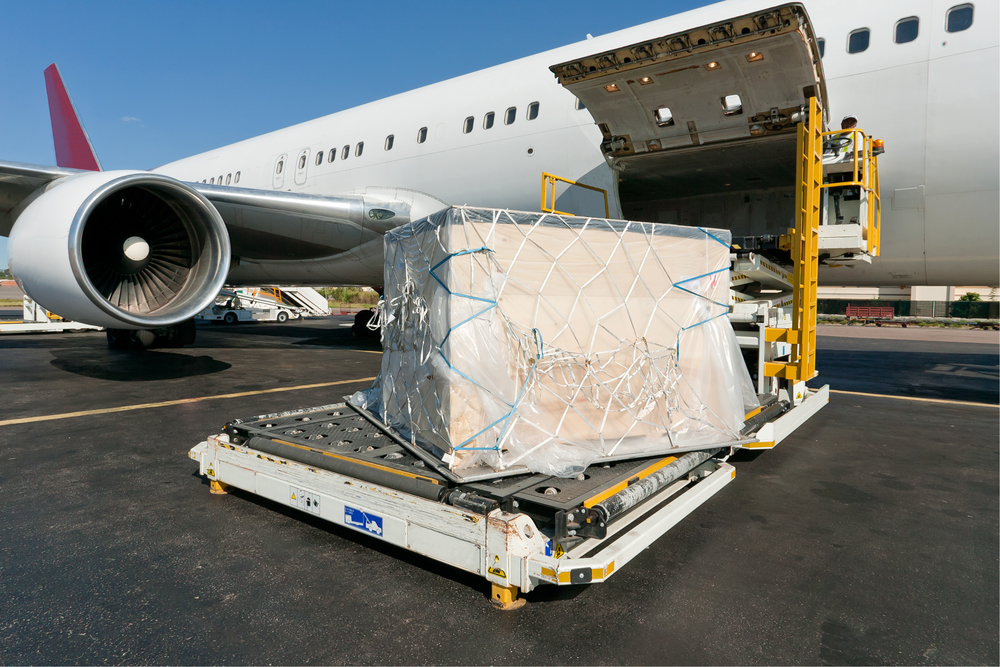
Air cargo plane being loaded up with freight

Why import declarations are required

Import declarations enable customs authorities to monitor goods entering a country and ensure that international trade regulations are followed. The information provided in the declaration helps authorities determine applicable duties and taxes, verify the classification of goods and confirm the declared country of origin.

The declaration also allows customs authorities to assess whether additional measures apply, such as import restrictions, licenses or safety controls. Without a correctly submitted declaration, goods cannot normally be released for entry into the market. Incomplete or inaccurate information may lead to delays, inspections or adjustments during the customs clearance process.
Oversight across your customs activities

To process a shipment, customs authorities require detailed information about the goods and the transaction. This data is typically derived from documents such as commercial invoices, transport documents and certificates.

Common information included in an import declaration includes:

  • importer and exporter details
  • a description of the goods
  • the HS code used for classification
  • the customs value of the shipment
  • the country of origin
  • the quantity and weight of the goods
  • transport and shipment details
  • supporting documentation where required

Providing accurate and complete information helps ensure efficient customs clearance and reduces the likelihood of additional checks.

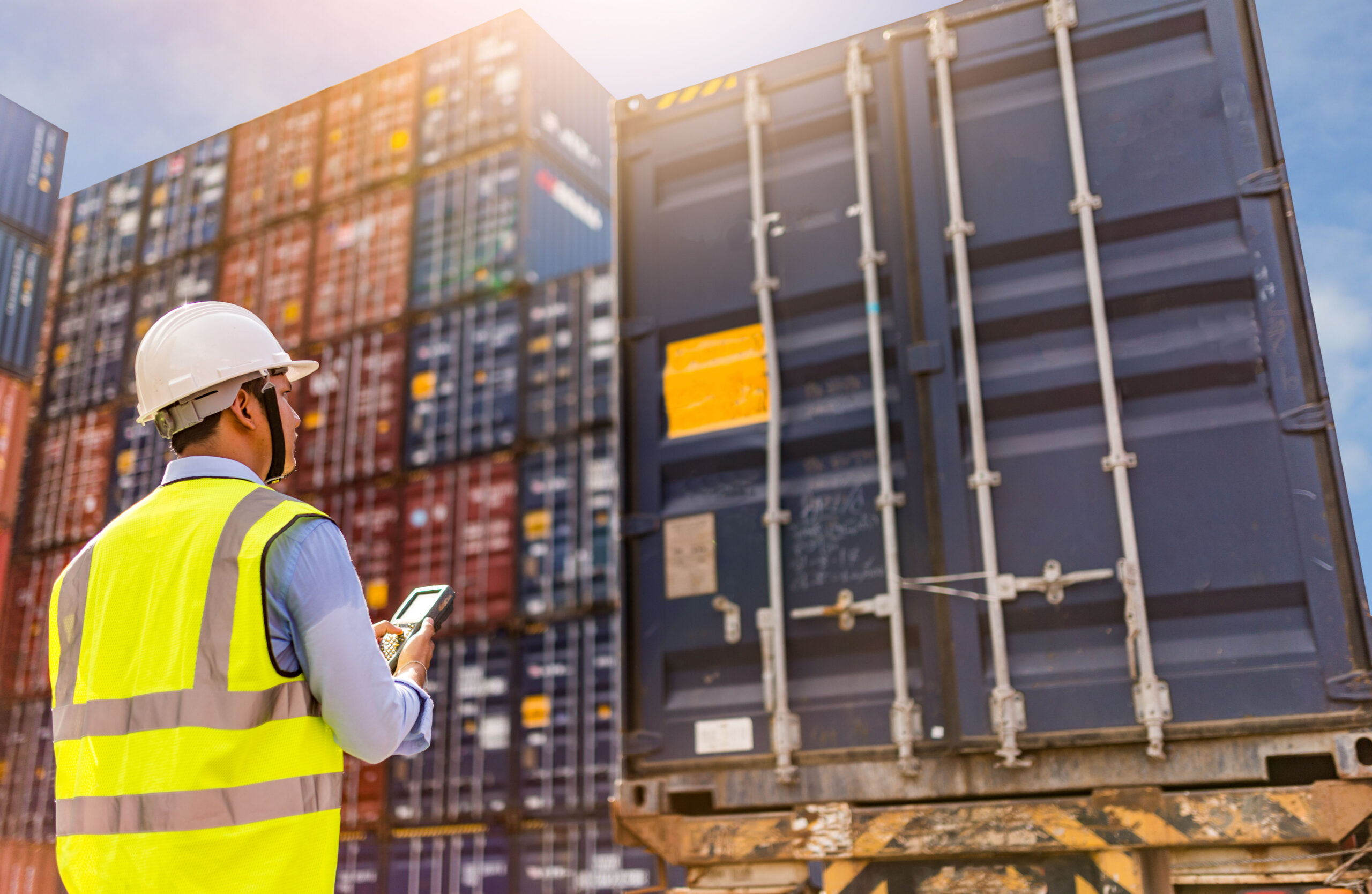
Man with safety vest and helmet looking at containers

The role of import declarations in customs clearance

Import declarations form a central part of the customs clearance process. They connect commercial documentation, transport data, and regulatory requirements into a single submission to customs authorities.

For companies involved in international trade, correctly prepared import declarations support efficient logistics operations and help prevent delays at the border. If you have questions about import declarations or require assistance with customs procedures, our team is available to help.

Scroll to Top